Garden waste clearance Pond Street NW5 seasonal guide 2026
Posted on 26/06/2026
If your garden is filling up faster than you can keep on top of it, you are not alone. In Pond Street NW5, seasonal growth, wet weather, and the usual London mix of tight access and busy streets can turn a tidy outdoor space into a small jungle surprisingly quickly. This guide to Garden waste clearance Pond Street NW5 seasonal guide 2026 breaks down what to clear, when to clear it, and how to do it without making a mess of your week.
You will find practical advice for spring, summer, autumn, and winter, plus a simple step-by-step process, common mistakes to avoid, and a realistic comparison of clearance options. If you want a more general overview of wider clearance services, the services overview is a useful place to start alongside this seasonal guide.
Expert summary: The best garden clearances are planned around the season, not just the pile of waste in front of you. If you sort green waste early, separate bulky items properly, and choose the right clearance method for the amount involved, the job gets simpler, cleaner, and usually cheaper too.
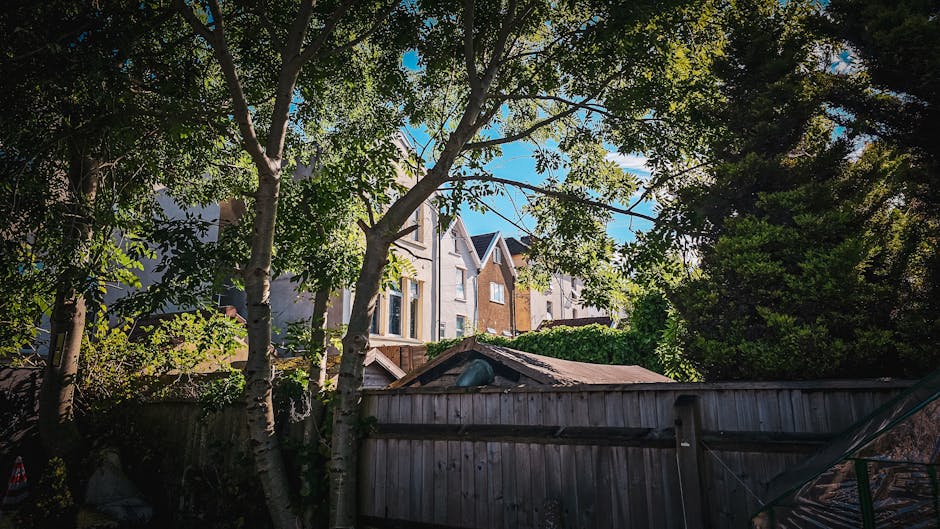
Why Garden waste clearance Pond Street NW5 seasonal guide 2026 Matters
Garden waste clearance sounds straightforward until the seasons get involved. Then it becomes a moving target. In spring, you get hedge cuttings, grass clippings, soil-stained pots, and the leftovers from a garden refresh. In summer, fast-growing plants, broken outdoor furniture, and event-related mess can pile up. Autumn brings leaves, prunings, and heavier mixed waste. Winter is quieter, but soggy branches, frost-damaged plants, and post-storm debris can make the job awkward.
For homes and small businesses near Pond Street NW5, timing matters because access, weather, and collection volumes all change through the year. A damp heap of leaves is heavier than it looks. Thorny cuttings are more awkward to handle than they seem. And if you leave green waste too long, it starts to compact, smell, and spread across the garden like it owns the place. Not ideal, frankly.
This is also about presentation and value. A clean outdoor space feels bigger, safer, and easier to use. If you are preparing a home for sale, you may already be thinking about practical presentation and speed; that is where something like selling your house in Kentish Town becomes relevant, because exterior tidiness often helps the whole property feel cared for.
There is another angle too. Garden waste is not just "rubbish". A lot of it can be sorted for composting or recycling, while mixed loads need proper handling. Getting the seasonal approach right saves time, reduces avoidable landfill, and makes the whole process less stressful. You notice the difference on the day, and usually in the bill as well.
How Garden waste clearance Pond Street NW5 seasonal guide 2026 Works
A good garden waste clearance process has three parts: assessment, sorting, and removal. Sounds basic. It is basic, but that is what makes it work.
1. Assess the waste by season and type
First, look at what you actually have. Green waste typically includes grass cuttings, hedge trimmings, leaves, branches, weeds, plants, and small roots. Seasonal changes influence the weight and volume of that waste, and the mix matters. A pile that is mostly leaves is handled differently from a stack of wet branches, old fencing, and a few broken planters thrown in for good measure.
2. Separate green waste from non-garden items
Non-organic items should be kept out of the green waste pile where possible. Think broken pots, old compost bags, plastic edging, garden tools, tarps, and outdoor furniture. If the load becomes mixed, it can affect recycling options and the best clearance method. If you are dealing with larger outdoor items as well, the furniture removal Kentish Town page is a sensible related reference, especially for benches, garden chairs, or other bulky pieces that are no longer usable.
3. Choose the right clearance method
For a small tidy-up, bagging and collection may be enough. For heavy pruning, storm debris, or a full garden refresh, a dedicated clearance service is usually more efficient. If you already have mixed household rubbish alongside outdoor waste, a broader rubbish collection Kentish Town option can make more sense than trying to split everything into too many separate piles.
4. Load safely and remove responsibly
Seasonal clearance works best when items are lifted carefully, stacked sensibly, and transported to the right destination. Wet material can be slippery. Branches can snag. And the humble garden bag, let us be honest, never feels as light once it is full. Good handling matters for safety and for the final result.
In practice, the job often starts with a quick walk-around, then a sort into piles: organic waste, bulky outdoor items, and anything that needs special handling. A little structure goes a long way.
Key Benefits and Practical Advantages
There are obvious benefits to clearing garden waste, but the less obvious ones are often the most useful.
- More usable outdoor space: Once cuttings and debris are gone, patios, paths, and planting beds are easier to use and maintain.
- Better garden health: Removing diseased plants, dense leaf litter, and rotting material reduces the chance of problems spreading.
- Cleaner finishes after gardening work: If you have pruned hedges or reshaped beds, a proper clearance gives the whole project a finished look.
- Reduced vermin attraction: Piles of waste, especially damp organic waste, can attract pests if left too long.
- Safer access: Clearing slippery leaves, broken pots, and tangled branches reduces trip hazards.
- Less weekend drag: You do not have to spend half the day making countless trips to a vehicle or trying to cram too much into a small bin.
For some people, the biggest benefit is simply momentum. Once the waste is gone, the rest of the garden suddenly feels manageable again. That psychological shift matters more than people admit. You look out at the space and think, "Right, I can work with this."
If you are comparing clearance services more broadly, the waste clearance Kentish Town page can help you understand how garden waste fits into wider household and outdoor clearance needs.
Who This Is For and When It Makes Sense
This guide is useful for a wide range of people, not just homeowners with a sizeable lawn. In NW5, many gardens are compact, split-level, or shared, which creates its own headaches. A tiny back garden can still produce a surprising amount of waste after a single pruning session.
You may need garden waste clearance if you are:
- doing a seasonal tidy-up after winter or before summer
- cutting back hedges, shrubs, or climbing plants
- preparing a rental property for new tenants
- getting a property ready for sale or valuation
- refreshing a patio, border, or planted area
- clearing storm damage after a windy spell
- managing waste from a landscaping or maintenance job
It also makes sense if you are a landlord, managing agent, or small business with outdoor space. Cafes, offices with rear yards, and local premises with planters or courtyards can all end up with seasonal green waste. In those cases, clearance can sit alongside a more general commercial waste removal Kentish Town approach.
And if you are in the middle of a bigger clear-out, do not try to solve everything in one sweep unless you really have the time. Garden waste, household clutter, and old furniture are often better handled as separate streams. It saves confusion and avoids that classic end-of-day moment where you stare at three piles and wonder what happened.
Step-by-Step Guidance
Here is a clear, workable approach for 2026. Nothing fancy. Just the sort of process that makes the job easier.
- Walk the garden first. Identify what is green waste, what is bulky waste, and what should stay on site. Make a quick mental map of the garden. Where are the tight corners? Is access through the side gate awkward? Any low branches or steps?
- Collect loose organic material. Rake leaves, gather grass cuttings, and pull together smaller trimmings. Do this before you tackle branches, because the loose material tends to spread everywhere if you leave it.
- Cut larger branches into manageable lengths. Shorter pieces are easier to load, safer to move, and less likely to snag on railings, fences, or your clothing.
- Separate reusable items. Pots, usable compost containers, and tools should be kept apart if possible. One person's "junk" is another person's perfectly fine trowel, after all.
- Bag or stack waste sensibly. Do not overfill bags. Wet waste is heavier than it looks, and overstuffed bags split at the worst moment.
- Check for mixed materials. Remove plastic ties, wire, broken glass, or old fixings. Mixed waste can reduce recycling value and slow the job down.
- Choose your clearance route. For a small load, one-off collection may be enough. For a bigger seasonal clear-up, book a service that can load and remove in a single visit.
- Finish with a sweep. A final sweep of paths, patio edges, and corners makes the area feel genuinely finished, not just "mostly done".
If you need a more specialist service for heavier or dirtier loads from outdoor work, builders waste disposal Kentish Town can be relevant when garden jobs spill over into hardcore, broken slabs, or mixed renovation debris.
Expert Tips for Better Results
A few small decisions can make seasonal garden clearance far smoother.
Plan around weather, not just your diary. A dry morning is better than a soaked afternoon. Wet grass and sodden leaves are heavier, harder to compact, and more unpleasant to move. If you have ever tried shifting damp hedge cuttings in a hurry, you already know this. Not fun.
Clear before a major growth spurt or immediately after one. In spring, waiting too long means light pruning becomes a full-blown job. In autumn, clearing early helps you stay ahead of leaf build-up, which can become slippery on paths and steps.
Keep the strongest waste closest to the exit. Put branches, thick stems, and bulky bags near the point of removal first. That saves time during loading and means you are not carrying awkward loads through the garden twice.
Think in layers. Start with the top layer of loose waste, then move to cuttings, then the heavier items below. If you remove the big obvious bits first, you often uncover more work than you expected. Better to know that early.
Be realistic about access. Narrow side passages, shared walkways, and basement steps can change what is practical. In London, access is often the real constraint, not the amount of waste itself.
Separate seasonal jobs from general decluttering. If you are also dealing with old indoor items, consider whether house clearance Kentish Town or even loft clearance Kentish Town is part of the bigger picture. It is easier to organise the whole property once, rather than juggling separate collections over several weeks.

Common Mistakes to Avoid
Some mistakes are small. Some are the kind that make a straightforward job irritatingly expensive. Here are the main ones we see again and again.
- Mixing everything together. Garden waste, old fencing, broken pots, and random household waste are not all the same thing. Mixing them can reduce recycling options.
- Leaving waste outside for too long. Wet waste turns heavy, starts to smell, and can spread across footpaths if the wind picks up.
- Underestimating volume. A pile that looks manageable from the kitchen window can double once it is gathered properly.
- Forgetting about hidden materials. Ties, nails, stones, wire, and plastic edging are easy to miss.
- Blocking access routes. If waste is piled across a gate or passage, removal becomes slower and riskier.
- Choosing the wrong service for the job. A small collection may be enough for a light tidy-up, but not for a full garden reset.
There is also the budget trap. People sometimes book the cheapest-looking option and then get caught by extras because the load was larger, wetter, or more mixed than they described. If you want to avoid that, this article on avoiding hidden rubbish removal fees in Kentish Town is worth reading alongside this guide.
Another common issue is timing. Garden clearance left too late in the season tends to clash with other jobs: school holidays, property visits, holiday plans, or just the general chaos of life. Happens to the best of us.
Tools, Resources and Recommendations
You do not need a massive kit list, but having the right basics makes the job cleaner and safer.
- Rake and leaf grabber: useful for loose seasonal material and awkward corners.
- Heavy-duty garden bags: better for wetter waste, though never fill them beyond a sensible lift weight.
- Loppers and pruning saw: for cutting branches into manageable pieces.
- Gloves with grip: useful for thorny stems, damp bags, and rough timber.
- Tarpaulin: handy if you need to keep a pile together before collection.
- Wheelbarrow or tub: very useful in small gardens where several short carries are better than one overloaded trip.
For people focused on recycling and lower-impact disposal, the recycling and sustainability page is a helpful companion. Seasonal garden waste is often a good candidate for responsible sorting, provided it has not been mixed with non-organic items.
If you want reassurance on service quality and accountable handling, waste carrier licence and compliance explains the sort of standards a reputable operator should follow. That matters more than many people realise. A tidy job is great; a tidy job handled properly is better.
Law, Compliance, Standards, or Best Practice
Garden waste clearance in the UK sits within wider waste-handling expectations, and while the exact operational details can vary, the broad best practice is clear: waste should be collected, transported, and disposed of responsibly by an appropriate operator. If you are paying someone to remove your waste, it is sensible to check that they are authorised to do the work and that waste is not being dumped somewhere unsuitable.
Best practice also means giving accurate descriptions of what needs removing. If your pile includes soil, concrete, old timber, or treated materials, say so early. That avoids surprises on the day and helps determine whether the job should be treated as garden waste, mixed waste, or a broader clearance.
For residents in this part of London, local expectations around rubbish presentation, timing, and side-street access are also worth keeping in mind. If you are unsure about general household disposal behaviour in the borough, Camden Council rubbish rules for Kentish Town residents offers useful context alongside the practical points in this article.
Safety matters too. Wet surfaces, lifting injuries, sharp branches, and hidden debris are ordinary risks in garden clearance. If a clearance involves awkward lifting or tight access, a service that takes safety seriously is worth more than a slightly cheaper quote. No contest, really.
For a broader sense of how responsible operators should manage service standards, it may also help to review the company's own information on insurance and safety, terms and conditions, and payment and security. Those pages are not exciting reading, admittedly, but they are the sort of thing you are glad to have checked later.
Options, Methods, or Comparison Table
Here is a simple comparison of the most common ways to handle seasonal garden waste in Pond Street NW5.
| Method | Best for | Strengths | Limitations |
|---|---|---|---|
| DIY bagging and tip runs | Very small loads, light pruning, spare time | Low direct cost, full control over sorting | Time-consuming, physically demanding, awkward with wet waste |
| Scheduled garden waste collection | Regular seasonal maintenance, recurring green waste | Simple and predictable, less handling at home | May not suit bulky or mixed loads |
| One-off clearance service | Heavy seasonal clear-outs, storm debris, overgrown gardens | Fast, efficient, less labour for the customer | Can be more expensive for tiny jobs |
| Mixed waste clearance | Garden waste plus old outdoor items or general clutter | Convenient for big jobs, useful when several waste types overlap | Recycling options may be reduced if items are mixed |
For small, tidy jobs, DIY can be perfectly fine. For a large spring reset or a leaf-heavy autumn clear-up, a one-off clearance is usually the least painful option. If the garden is only part of a bigger decluttering effort, you may also find furniture disposal Kentish Town useful when benches, tables, or worn-out outdoor items need to go at the same time.
Case Study or Real-World Example
A typical Pond Street NW5 spring clear-out might start with a modest-looking back garden that has not been properly sorted since winter. At first glance, there is a patch of weeds, a hedge that needs cutting back, a few pots, and some fallen branches. Nothing dramatic. Then the work begins.
Once the hedge is cut, the pile grows. The weeds reveal old roots. The fallen branches turn out to be thicker than expected. A broken planter appears behind the shed. A bag of last year's compost has split and gone soggy, which is always a charming surprise, if by charming you mean not charming at all.
The job goes more smoothly when the waste is sorted into three clear groups: green waste, bulky outdoor items, and mixed debris. The first load is mostly branches and hedge cuttings. The second includes cracked pots and old trellis. The final pile is a handful of awkward mixed bits that need a bit more attention. By the end of the day, the garden is not just clear; it is usable again. You can see the paving. The air smells less damp. And the space feels like it belongs to the household, not the clutter.
That is really the point of seasonal clearance. Not just removal. Resetting the space so it works again.
Practical Checklist
Use this checklist before you book or begin a seasonal clearance.
- Identify whether the waste is mostly green waste, mixed waste, or bulky outdoor items
- Check access through side gates, front paths, or shared entrances
- Separate anything reusable from anything to be removed
- Cut larger branches into manageable lengths where safe to do so
- Keep wet waste under control with tarpaulin or sturdy bags
- Remove plastic ties, wire, nails, and other non-organic items
- Confirm whether the job is a small tidy-up or a full seasonal clearance
- Consider weather, especially after rain or before strong wind
- Make sure the selected service can handle the volume and waste type
- Review safety, compliance, and payment details before booking
Quick practical rule: if you can lift it safely, keep it sorted. If you cannot, stop and think. That one little pause saves plenty of trouble.
Conclusion
Seasonal garden waste clearance in Pond Street NW5 is less about a single big clean-up and more about staying in step with the year. Spring growth, summer maintenance, autumn leaves, and winter debris all create different kinds of work. Once you match the method to the season, the whole process becomes easier to manage and a lot less chaotic.
The key is simple: sort waste properly, keep access clear, avoid mixing materials, and choose the right clearance option for the size of the job. Do that, and you will usually save time, reduce hassle, and end up with a garden that feels genuinely ready to use.
If you are planning a seasonal tidy-up, want a cleaner outdoor space before the year gets busy, or just need a practical hand with an awkward load, this is the moment to get organised.
Get a free quote today and see how much you can save.
Sometimes the best garden jobs are the ones you finally stop putting off. The air feels clearer afterwards, and so does everything else.



 Tipper Van - Waste Disposal and Rubbish Removal Prices in Kentish Town, NW5
 Luton Van - Waste Disposal and Rubbish Removal Prices in Kentish Town, NW5