
09/09/2026
If you live in a flat in Kentish Town, rubbish clearance can feel like the hard bit.
Waste Disposal Kentish Town is committed to making eco-friendly waste disposal the everyday standard for homes and businesses across Kentish Town and the surrounding area. We work closely with local transfer stations, community organisations and recycling partners to make sure as much of your rubbish as possible is reused, recycled or repurposed instead of being sent to landfill.
We have set a clear recycling percentage target: to recycle or divert from landfill at least 85 percent of all waste we collect by 2027. This target supports the broader ambitions of local borough waste plans, which encourage residents and businesses to separate materials such as paper, cardboard, metals, glass, food waste and garden waste at source.
Every collection is planned with this target in mind. When our teams arrive, they look for opportunities to separate reusable items, recyclable materials and specialist waste streams so that the maximum amount can be processed at local facilities rather than disposed of as general rubbish.
Our sustainable rubbish removal service is designed around the specific needs of Kentish Town residents, landlords, offices and shops. We focus on responsible handling of everything we collect, from single bulky items to full property clearances.
In line with local borough guidance on waste separation, we encourage customers to keep recyclables like clean cardboard, metal appliances, textiles and electricals apart from mixed waste wherever possible. This simple step allows us to load and sort more efficiently and increases the percentage that can be recovered as valuable resources.
To keep our operations efficient and low impact, we make extensive use of local authorised transfer stations close to Kentish Town. By tipping waste at nearby facilities rather than driving long distances, we reduce fuel use and the overall environmental footprint of each collection.
At these transfer stations, materials are weighed, sorted and directed into appropriate recycling streams. Mixed household and commercial waste is separated so that metals, wood, plastics, soil, rubble and green waste can be processed for reuse. Using local infrastructure in this way supports area-wide recycling targets and helps ensure that our eco-friendly waste disposal practices fit seamlessly into the boroughs wider resource management strategy.
Recycling is only part of the story. Wherever possible, we prioritise reuse through partnerships with charities, community organisations and local reuse projects. Good quality furniture, household items, books, toys and appliances are set aside by our teams and channelled to partner organisations that can give them a second life.
These partnerships not only reduce waste but also support social value in Kentish Town and surrounding neighbourhoods. Reused items can help families on low incomes, furnish charity shops, or stock community centres. Choosing our sustainable rubbish removal service means you are contributing to this circular approach, where local resources stay in the community for longer before entering the recycling system.
Transport is one of the biggest sources of emissions in the waste industry, so we are gradually transitioning our fleet towards low-carbon vans and more efficient vehicles. We invest in modern engines with lower emissions and continually review route planning software to ensure that mileage is kept to a minimum.
By grouping collections in and around Kentish Town and coordinating with local transfer stations, we cut down on unnecessary journeys. This reduces congestion, lowers fuel consumption and shrinks the overall carbon footprint of each rubbish removal. Our aim is to expand the share of low-carbon and alternative-fuel vehicles in our fleet year by year as technology and local infrastructure develop.
The local boroughs in and around Kentish Town promote a strong culture of waste separation and recycling, including regular kerbside collections for dry recyclables and food waste. We design our services to complement this system so that items which are not picked up at the kerbside can still be treated responsibly.
Examples of the recycling activity we support include careful handling of electricals and electronic equipment, safe management of metal and wooden furniture, and collection of green waste from gardens and small landscaping projects. Whenever possible, these materials are sent to specialist facilities where they can be turned into new products, compost, biomass or construction materials.
Customers in Kentish Town play a vital part in eco-friendly waste disposal. By letting us know in advance what will be collected, and by keeping obvious recyclables separate from general waste, you help our teams to work faster and more accurately on site. Labelling boxes of books, textiles, or small electricals as suitable for reuse also makes it easier for us to direct them to our charity partners.
Choosing a sustainable rubbish removal provider is another powerful step. Every job we undertake is recorded and reviewed against our recycling percentage target, helping us track performance and identify new opportunities to improve. With your support, we can keep raising the bar for responsible waste management in Kentish Town.
Waste Disposal Kentish Town sees recycling and sustainability as an ongoing commitment, not a one-off project. We will continue to refine our processes, invest in low-carbon vans, work closely with local transfer stations, and deepen our partnerships with charities and reuse schemes. By integrating all of these elements, we aim to deliver a truly eco-friendly waste disposal service that supports cleaner streets, lower emissions and a more circular local economy.

GET A FREE QUOTE
Too sick to move junk? Our team is here to help you out!
Waste Disposal Kentish Town provides practical waste disposal in Kentish Town for households, landlords, offices and trades that need reliable removal of unwanted items and general rubbish. The service covers everyday clear-outs, bulky items, mixed waste and property clearance work, with a simple focus on making disposal straightforward and orderly. If you need a local team for waste collection, a careful clearance or a one-off removal, this page sets out the main options and how to request a quotation.
We handle a range of jobs that often overlap in real life, from single-item pickups to fuller clearances where several waste streams need separating. That can include household rubbish, furniture, appliances, garden debris, office contents and builder’s waste, depending on what is suitable for collection and what requires specialist handling. The aim is to match the right service to the job rather than forcing everything into one category, so the waste is removed in a way that is practical, compliant and easy to plan.
See how quotations are prepared for a clearer idea of the information typically needed. If you are ready to discuss a collection, a quick enquiry is the best place to start. Tell us what needs removing, where it is located and whether there are access limits, and we can help you work out the most suitable option.
General rubbish collection is often the most flexible starting point when a property has mixed items that are ready to go. It can suit bagged waste, small dismantled items, loose clutter and leftover materials that do not need a specialist service. A good collection service should be clear about what is included, what needs separating and whether any items fall into categories that require special treatment. That makes it easier to keep the job efficient and the quotation accurate.
Rubbish collection in Kentish Town is useful where the main aim is to clear accumulated waste quickly and neatly from a home, a shared property or a business unit. The work may involve lifting, loading, carrying from inside a property or taking away items already left in an accessible place. It is also a sensible choice when you want one removal point for several different kinds of rubbish rather than arranging separate collections.
Helpful preparation can keep the job simple: separate anything you want to keep, note any heavy or awkward items, and make sure the team knows about stairs, narrow entrances or restricted parking before the visit. If the waste includes mixed materials, it can help to point out anything that should stay apart, such as recyclables, electricals or items with sharp edges. Clear information at the outset usually makes the collection smoother and the pricing easier to confirm.
Furniture removal is the right option when sofas, tables, wardrobes, beds or chairs are ready to leave a property but are too awkward for ordinary bin collections. Bulky items can require careful handling, especially in flats, upper floors or shared entrances where turning space is limited. A considered removal service reduces the risk of damage and gives you a cleaner finish than leaving broken pieces stacked for later.
White goods and appliance disposal covers items such as fridges, freezers, washers and other domestic appliances that need secure, appropriate disposal. These items may contain components or materials that need to be treated separately, so it is sensible to list them clearly when asking for a quotation. If you are clearing a kitchen, a rented flat or a storage space, combining appliance removal with furniture collection can often keep the visit more efficient.
Furniture disposal in Kentish Town is especially useful when items are no longer suitable for reuse and simply need removing from the property. Disposal can be broader than collection alone, because it may involve sorting, loading and taking the furniture into the correct waste stream rather than just lifting it away. If you are comparing options, think about whether the job needs a single item removed or a fuller clear-out that includes several pieces at once.
House clearance work usually suits situations where a property has more than a few items to remove and the task needs a careful, room-by-room approach. That may involve old furniture, general household contents, stored belongings, bagged waste and items that have built up over time. It is often chosen for moving preparation, end-of-tenancy work, probate-related clearances or properties being made ready for sale or refurbishment. The process should be organised enough to avoid confusion, yet flexible enough to deal with mixed contents.
House clearance in Kentish Town gives a clear route for larger domestic clear-outs where many items need removal together. The best results tend to come when the scope is described honestly: what stays, what goes and which rooms are affected. For a quotation, it helps to state whether the property is furnished, partly cleared or fully full of contents, because that affects the time, labour and vehicle space required.
Loft clearance is a more specific service for stored items that have been left above the main living spaces, often for years. Access can be the main issue here, so the work may need extra care around ladders, hatches, low headroom or fragile boxes. When a loft is included in a wider clearance, it is useful to mention it early so the load plan reflects the true amount of waste and the access conditions.
Workplace clearances and business waste removal need a slightly different approach from domestic collections because they often involve desks, office equipment, packaging, archive material or fixtures that must be cleared with minimal disruption. Good planning matters when the site is occupied, because access, timing and the amount of loading space available can affect how the removal is carried out. The right service should be able to adapt to a one-off office refresh, a shop tidy-up or recurring disposal needs without making the process complicated.
Office clearance is suitable when workstations, chairs, cabinets, filing and general workplace waste need removing in a structured way. This kind of job may be linked to relocation, restructuring or simply reclaiming space from surplus items. If computers or other electricals are part of the clearance, make sure they are identified separately so the removal can be arranged appropriately. Keeping records and access arrangements simple also helps reduce delays on the day.
Commercial waste removal in Kentish Town supports businesses that need regular or one-off disposal for non-household waste. Shops, offices, studios and small premises may all produce different types of rubbish, so it is better to describe the actual waste rather than assume one standard load. Good quotations are based on the contents, volume and access, and those details are especially important where staff need to keep trading during the collection.
Kentish Town is an area in the London Borough of Camden, lying between Camden Town and Hampstead Heath and shaped by long movement routes through north London. Its identity has been influenced by the growth of transport connections and by the mix of residential streets, shops and public buildings that developed around them. Kentish Town Road remains a strong central axis, with local life extending into side streets, residential squares and the spaces around the rail stations that connect the area to the wider city. The name itself has older roots, though the district as it is known today is largely a product of London’s nineteenth- and twentieth-century expansion. The area combines dense urban housing with a network of schools, pubs, cafés and independent businesses that give it a distinct local character. Nearby green spaces also play an important part in its setting, especially where the built-up streets give way towards the higher ground and open land around Hampstead Heath. Architecture in Kentish Town reflects this layered history, with terraces, converted buildings and later infill standing alongside surviving older structures. The result is a place that feels closely tied to central London yet still recognisably residential in many streets.
Builders waste disposal is designed for materials left after refurbishment, alteration or repair work. It may include rubble, broken fixtures, timber, plasterboard, packaging and mixed waste from a building project. Because these loads can vary so much, it helps to state whether the waste is mostly loose, bagged, palletised or stacked. That detail affects the lifting plan and whether the load can be taken in one visit or needs to be handled in stages.
Waste clearance in Kentish Town is a broader option when the job does not fit neatly into one category. It can be useful for mixed domestic and light commercial contents, end-of-tenancy leftovers, shed contents or a combination of items that need sorting before removal. The strength of a clearance service is its adaptability: one property might need a single collection, while another needs several rooms emptied and cleaned of obvious waste so the space is ready for its next use.
Domestic waste collection suits everyday household rubbish that has built up beyond what normal bins can reasonably handle. This can include bagged waste, broken household items and accumulated clutter from a declutter or clear-out. If you are arranging a larger job,
Garden waste removal is a practical option when outdoor work leaves behind branches, cuttings, soil, old pots, fencing offcuts or other green material that is awkward to move in normal household waste. Even smaller gardens can produce more waste than expected after pruning or replanting, and larger plots may generate mixed organic and man-made debris that needs separating before collection. A proper disposal service should be able to distinguish between garden waste and other bulky rubbish so the load is handled correctly.
Garden waste removal in Kentish Town is useful after routine maintenance as well as one-off clearances of overgrown areas. The work may include loading loose green waste, taking away bags and moving awkward branches from the back garden, side return or shed area. If the job also includes old planters, damaged tools or broken outdoor furniture, those extra items should be listed separately so the quotation reflects the mixed nature of the load.
Recycling and sustainability explains the disposal approach behind the service and is worth reading if you want to understand how different waste types are handled once collected. This is often relevant for customers who are comparing simple rubbish removal with a more structured clearance. If you are ready to move forward, keep your note brief and factual: what needs removing, how much there is and where it is located.
Prices can help you compare the broad types of service available before you request a tailored quotation. Waste removal costs usually depend on the volume of waste, the type of material, the amount of labour involved and the access conditions at the property. For example, a ground-floor pickup with easy loading may differ from a loft clearance or a job that involves multiple trips through a shared building. Clear information at the start is the best way to keep the estimate relevant to the actual work.
Waste carrier licence and compliance is a sensible page to review when choosing a disposal service, because waste should be handled lawfully from the point of collection to its final destination. If you want more background on how the business works, about us and services overview provide a wider picture of the available work. When you are ready, use the contact page to ask for a quotation and give the team the basic details they need to respond accurately.
Request a waste disposal quotation in Kentish Town. If it is easier, you can still send a plain-text enquiry with the items, location and preferred timing. A concise description is usually enough to start the conversation, and it helps the team decide whether a collection, a clearance or a more specific disposal service is the best fit.
If you live in a flat in Kentish Town, rubbish clearance can feel like the hard bit.
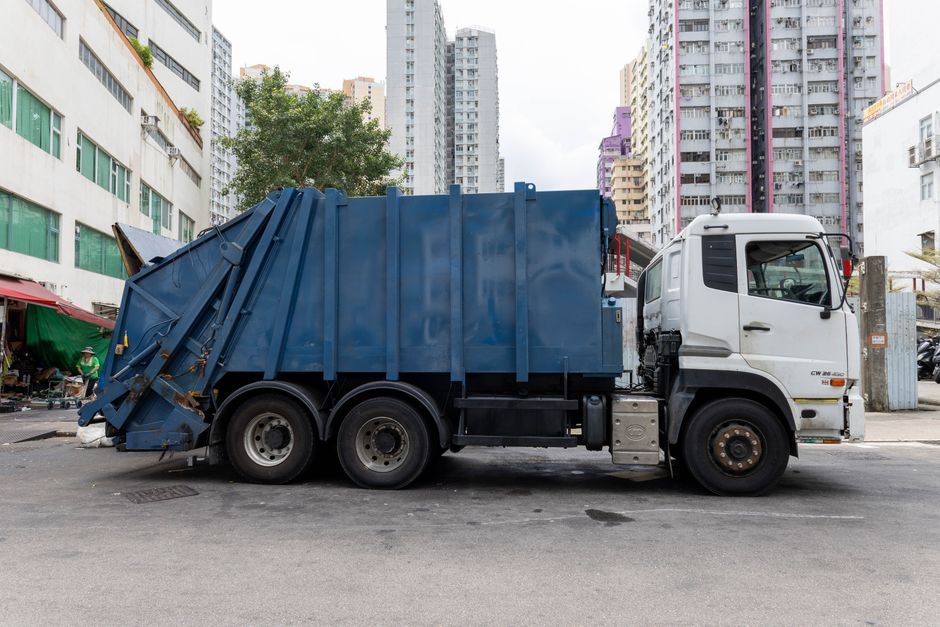
If you are hiring a waste team in NW5, the paperwork matters just as much as the van, the...

If you are trying to compare rubbish removal quotes Kentish Town cheapest options, the tricky...

If you are staring at an old sofa, a broken wardrobe, or a pile of awkwardly heavy bits on...
If your garden is filling up faster than you can keep on top of it, you are not alone.

Late-night rubbish collection sounds simple on paper: the street is quieter, the day's mess is...
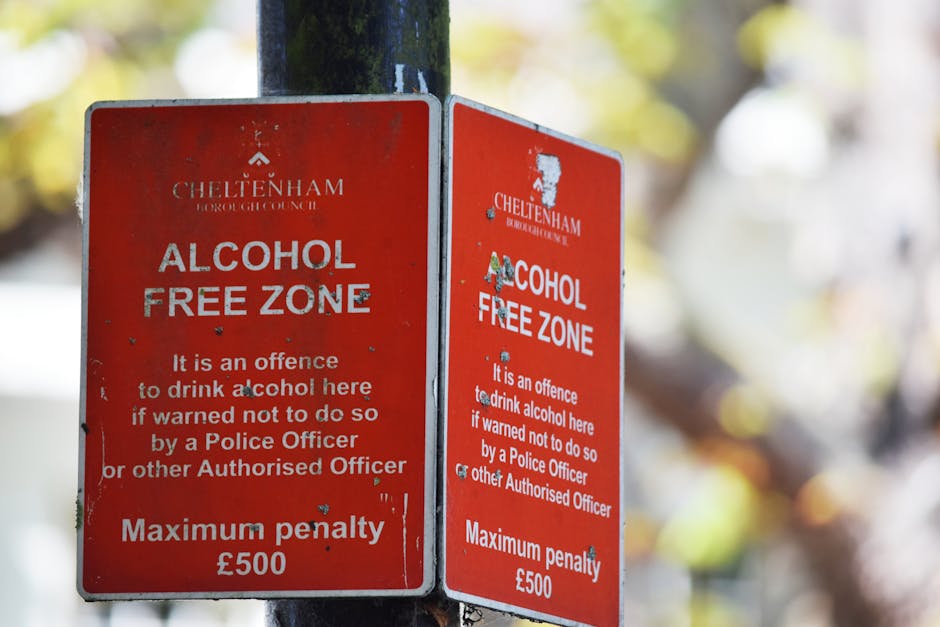
If you live in Kentish Town, rubbish rules can feel oddly complicated for something so ordinary.
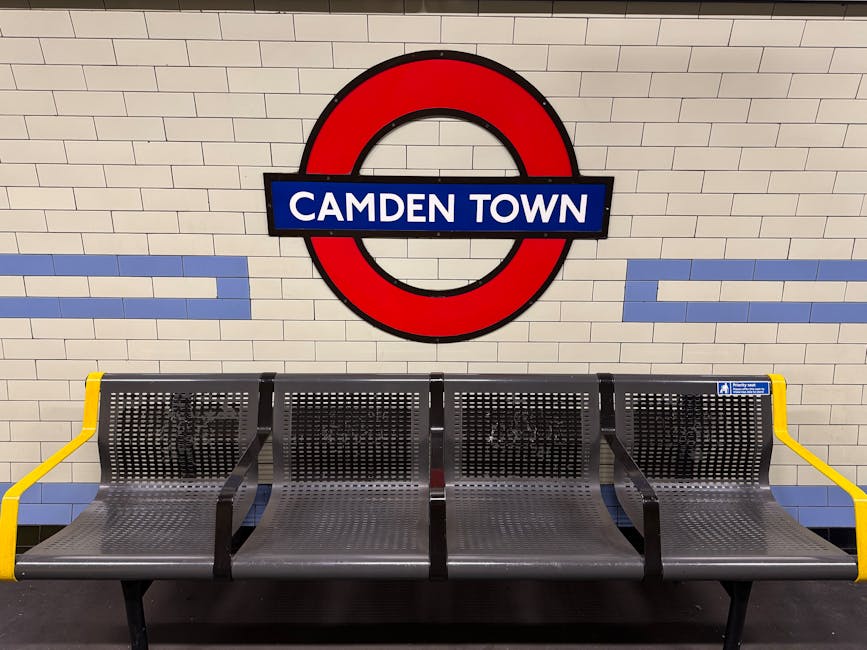
If you need Same day rubbish collection Kentish Town station area, you are usually dealing with a...

If you need Kentish Town rubbish removal NW5 cheap same day quotes, you probably want the same...
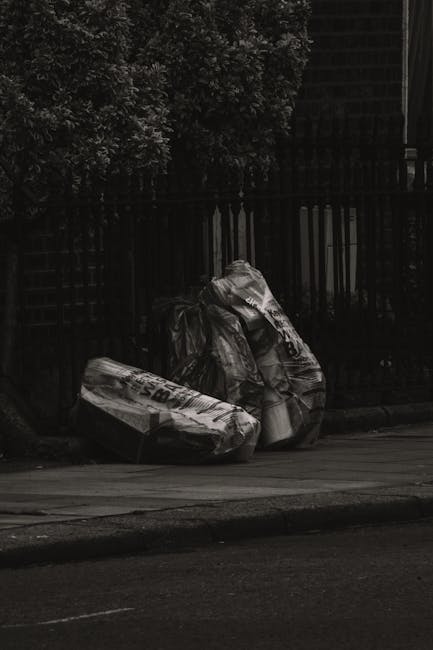
If you've ever stared at a rubbish removal quote and thought, "Hang on, where did that extra...
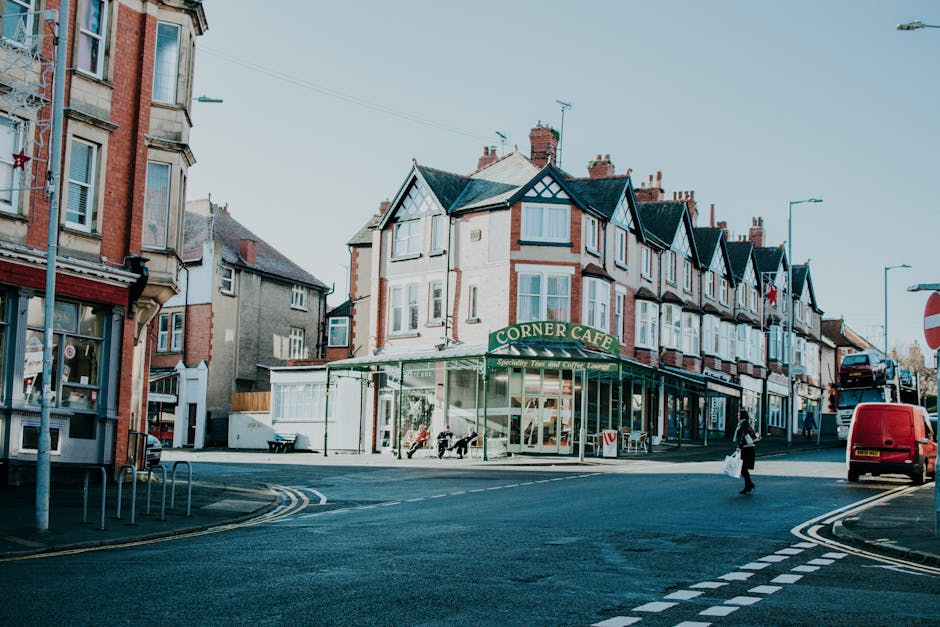
If you run a shop on or near Kentish Town Road, rubbish has a habit of appearing at exactly the...

If you have ever watched a venue shift from buzzing, glittery party mode to a half-empty room...

 (80)
(80)