
09/09/2026
If you live in a flat in Kentish Town, rubbish clearance can feel like the hard bit.
Waste Disposal Kentish Town is committed to providing a fully insured rubbish removal service and a consistently safe waste collection area for homes, businesses and construction sites. Our safety systems, public liability insurance cover and detailed staff training are designed to protect customers, staff and the wider community across Kentish Town and the surrounding neighbourhoods.
We operate as a fully insured rubbish removal provider throughout Kentish Town. This means that all standard waste clearance and bulky item collections carried out by our team are covered under our insurance arrangements. From household declutters and office clearances to garden waste and light construction debris, our insured rubbish removal area is designed to give you peace of mind while we are working on your property or premises.
Our insurance profile is reviewed regularly to ensure it remains suitable for the scale and type of work we perform. By maintaining an insured rubbish removal area that reflects real on-site conditions, we are able to respond quickly and responsibly if anything unexpected occurs during a collection or loading operation.
Public liability insurance is a key element of our safety and protection framework. Waste Disposal Kentish Town holds public liability insurance that is specifically tailored to waste clearance activities. This cover is in place to protect you, your visitors and members of the public if an accident related to our work were ever to result in damage to property or personal injury.
Our public liability insurance supports safe operations across driveways, shared access routes, communal areas, offices and retail spaces. It gives reassurance that, although we follow strict safety procedures, there is financial protection backing up the service if the unexpected happens. Details of our current public liability insurance level are available on request for commercial clients, property managers and landlords who require them as part of their compliance records.
Every job begins with establishing a safe waste collection area. Our team assesses the best location for loading and sorting, taking into account vehicle access, pedestrian movement, building entrances, emergency exits and nearby traffic. Once agreed, the area is used consistently throughout the visit to keep the site organised and to reduce the chance of slips, trips or collisions.
We focus on clear pathways, stable stacking of items and controlled movement of heavy or awkward loads. Where needed, our staff use visual signals, verbal communication and basic ground-level segregation between working and non-working areas to keep bystanders away from potential hazards. This structured approach helps maintain a safe environment on residential streets, busy commercial locations and confined inner-city spaces in Kentish Town.
Our safety standards depend on the knowledge and behaviour of our team. All operatives working for Waste Disposal Kentish Town receive thorough training before taking part in live collections. Training covers manual handling, safe loading, vehicle awareness, hazard recognition, communication on site and respectful interaction with customers and neighbours.
Refresher training is provided at regular intervals to keep skills up to date and to address any new equipment, changed legislation or updated internal procedures. Team leaders are trained to supervise work, allocate tasks based on experience and intervene where they identify a potential risk. This continuous learning model supports safe and consistent service delivery across our insured rubbish removal area.
Personal protective equipment is essential for the safety of our staff and helps protect customers and the public by preventing avoidable accidents. Our teams are equipped with PPE appropriate to the task and environment. This commonly includes safety footwear to reduce the risk of foot injuries, high visibility clothing for work near vehicles or roads, gloves for handling rough or sharp materials and eye or respiratory protection where dust or fragments may be present.
The correct use of PPE is built into our staff training and enforced by supervisors. Equipment is inspected regularly and replaced when worn or damaged to ensure it functions as intended. By combining PPE with awareness and good working practices, we maintain a safe waste collection area throughout the duration of every job.
A structured risk assessment process underpins our commitment to safety. Before work begins, our team evaluates the site and the type of waste to identify hazards. This includes checking access routes, stairs, loft spaces, tight corridors, proximity to traffic, overhead obstructions, uneven ground and any items that may contain sharp edges or hazardous materials.
Once hazards are identified, control measures are put in place. These may involve altering the route used to remove items, breaking down large pieces before moving them, allocating extra staff to heavier loads or temporarily restricting access to part of the site while loading is in progress. The risk assessment process is dynamic, which means our team continues to monitor for new risks and adapts their approach as the job develops.
Our goal is to provide insured, efficient and safe rubbish removal across Kentish Town without disrupting your home, business or community. By combining strong public liability insurance, well-trained staff, appropriate PPE and a clear risk assessment process, we reduce the chance of incidents and maintain high service standards.
Whether you need a one-off collection or regular waste clearance, you can rely on Waste Disposal Kentish Town to treat your property, your neighbours and your visitors with care. Safety and insurance are built into every part of our operation so that your waste can be removed responsibly and with minimal risk from start to finish.

GET A FREE QUOTE
Too sick to move junk? Our team is here to help you out!
Waste Disposal Kentish Town provides practical waste disposal in Kentish Town for households, landlords, offices and trades that need reliable removal of unwanted items and general rubbish. The service covers everyday clear-outs, bulky items, mixed waste and property clearance work, with a simple focus on making disposal straightforward and orderly. If you need a local team for waste collection, a careful clearance or a one-off removal, this page sets out the main options and how to request a quotation.
We handle a range of jobs that often overlap in real life, from single-item pickups to fuller clearances where several waste streams need separating. That can include household rubbish, furniture, appliances, garden debris, office contents and builder’s waste, depending on what is suitable for collection and what requires specialist handling. The aim is to match the right service to the job rather than forcing everything into one category, so the waste is removed in a way that is practical, compliant and easy to plan.
See how quotations are prepared for a clearer idea of the information typically needed. If you are ready to discuss a collection, a quick enquiry is the best place to start. Tell us what needs removing, where it is located and whether there are access limits, and we can help you work out the most suitable option.
General rubbish collection is often the most flexible starting point when a property has mixed items that are ready to go. It can suit bagged waste, small dismantled items, loose clutter and leftover materials that do not need a specialist service. A good collection service should be clear about what is included, what needs separating and whether any items fall into categories that require special treatment. That makes it easier to keep the job efficient and the quotation accurate.
Rubbish collection in Kentish Town is useful where the main aim is to clear accumulated waste quickly and neatly from a home, a shared property or a business unit. The work may involve lifting, loading, carrying from inside a property or taking away items already left in an accessible place. It is also a sensible choice when you want one removal point for several different kinds of rubbish rather than arranging separate collections.
Helpful preparation can keep the job simple: separate anything you want to keep, note any heavy or awkward items, and make sure the team knows about stairs, narrow entrances or restricted parking before the visit. If the waste includes mixed materials, it can help to point out anything that should stay apart, such as recyclables, electricals or items with sharp edges. Clear information at the outset usually makes the collection smoother and the pricing easier to confirm.
Furniture removal is the right option when sofas, tables, wardrobes, beds or chairs are ready to leave a property but are too awkward for ordinary bin collections. Bulky items can require careful handling, especially in flats, upper floors or shared entrances where turning space is limited. A considered removal service reduces the risk of damage and gives you a cleaner finish than leaving broken pieces stacked for later.
White goods and appliance disposal covers items such as fridges, freezers, washers and other domestic appliances that need secure, appropriate disposal. These items may contain components or materials that need to be treated separately, so it is sensible to list them clearly when asking for a quotation. If you are clearing a kitchen, a rented flat or a storage space, combining appliance removal with furniture collection can often keep the visit more efficient.
Furniture disposal in Kentish Town is especially useful when items are no longer suitable for reuse and simply need removing from the property. Disposal can be broader than collection alone, because it may involve sorting, loading and taking the furniture into the correct waste stream rather than just lifting it away. If you are comparing options, think about whether the job needs a single item removed or a fuller clear-out that includes several pieces at once.
House clearance work usually suits situations where a property has more than a few items to remove and the task needs a careful, room-by-room approach. That may involve old furniture, general household contents, stored belongings, bagged waste and items that have built up over time. It is often chosen for moving preparation, end-of-tenancy work, probate-related clearances or properties being made ready for sale or refurbishment. The process should be organised enough to avoid confusion, yet flexible enough to deal with mixed contents.
House clearance in Kentish Town gives a clear route for larger domestic clear-outs where many items need removal together. The best results tend to come when the scope is described honestly: what stays, what goes and which rooms are affected. For a quotation, it helps to state whether the property is furnished, partly cleared or fully full of contents, because that affects the time, labour and vehicle space required.
Loft clearance is a more specific service for stored items that have been left above the main living spaces, often for years. Access can be the main issue here, so the work may need extra care around ladders, hatches, low headroom or fragile boxes. When a loft is included in a wider clearance, it is useful to mention it early so the load plan reflects the true amount of waste and the access conditions.
Workplace clearances and business waste removal need a slightly different approach from domestic collections because they often involve desks, office equipment, packaging, archive material or fixtures that must be cleared with minimal disruption. Good planning matters when the site is occupied, because access, timing and the amount of loading space available can affect how the removal is carried out. The right service should be able to adapt to a one-off office refresh, a shop tidy-up or recurring disposal needs without making the process complicated.
Office clearance is suitable when workstations, chairs, cabinets, filing and general workplace waste need removing in a structured way. This kind of job may be linked to relocation, restructuring or simply reclaiming space from surplus items. If computers or other electricals are part of the clearance, make sure they are identified separately so the removal can be arranged appropriately. Keeping records and access arrangements simple also helps reduce delays on the day.
Commercial waste removal in Kentish Town supports businesses that need regular or one-off disposal for non-household waste. Shops, offices, studios and small premises may all produce different types of rubbish, so it is better to describe the actual waste rather than assume one standard load. Good quotations are based on the contents, volume and access, and those details are especially important where staff need to keep trading during the collection.
Kentish Town is an area in the London Borough of Camden, lying between Camden Town and Hampstead Heath and shaped by long movement routes through north London. Its identity has been influenced by the growth of transport connections and by the mix of residential streets, shops and public buildings that developed around them. Kentish Town Road remains a strong central axis, with local life extending into side streets, residential squares and the spaces around the rail stations that connect the area to the wider city. The name itself has older roots, though the district as it is known today is largely a product of London’s nineteenth- and twentieth-century expansion. The area combines dense urban housing with a network of schools, pubs, cafés and independent businesses that give it a distinct local character. Nearby green spaces also play an important part in its setting, especially where the built-up streets give way towards the higher ground and open land around Hampstead Heath. Architecture in Kentish Town reflects this layered history, with terraces, converted buildings and later infill standing alongside surviving older structures. The result is a place that feels closely tied to central London yet still recognisably residential in many streets.
Builders waste disposal is designed for materials left after refurbishment, alteration or repair work. It may include rubble, broken fixtures, timber, plasterboard, packaging and mixed waste from a building project. Because these loads can vary so much, it helps to state whether the waste is mostly loose, bagged, palletised or stacked. That detail affects the lifting plan and whether the load can be taken in one visit or needs to be handled in stages.
Waste clearance in Kentish Town is a broader option when the job does not fit neatly into one category. It can be useful for mixed domestic and light commercial contents, end-of-tenancy leftovers, shed contents or a combination of items that need sorting before removal. The strength of a clearance service is its adaptability: one property might need a single collection, while another needs several rooms emptied and cleaned of obvious waste so the space is ready for its next use.
Domestic waste collection suits everyday household rubbish that has built up beyond what normal bins can reasonably handle. This can include bagged waste, broken household items and accumulated clutter from a declutter or clear-out. If you are arranging a larger job,
Garden waste removal is a practical option when outdoor work leaves behind branches, cuttings, soil, old pots, fencing offcuts or other green material that is awkward to move in normal household waste. Even smaller gardens can produce more waste than expected after pruning or replanting, and larger plots may generate mixed organic and man-made debris that needs separating before collection. A proper disposal service should be able to distinguish between garden waste and other bulky rubbish so the load is handled correctly.
Garden waste removal in Kentish Town is useful after routine maintenance as well as one-off clearances of overgrown areas. The work may include loading loose green waste, taking away bags and moving awkward branches from the back garden, side return or shed area. If the job also includes old planters, damaged tools or broken outdoor furniture, those extra items should be listed separately so the quotation reflects the mixed nature of the load.
Recycling and sustainability explains the disposal approach behind the service and is worth reading if you want to understand how different waste types are handled once collected. This is often relevant for customers who are comparing simple rubbish removal with a more structured clearance. If you are ready to move forward, keep your note brief and factual: what needs removing, how much there is and where it is located.
Prices can help you compare the broad types of service available before you request a tailored quotation. Waste removal costs usually depend on the volume of waste, the type of material, the amount of labour involved and the access conditions at the property. For example, a ground-floor pickup with easy loading may differ from a loft clearance or a job that involves multiple trips through a shared building. Clear information at the start is the best way to keep the estimate relevant to the actual work.
Waste carrier licence and compliance is a sensible page to review when choosing a disposal service, because waste should be handled lawfully from the point of collection to its final destination. If you want more background on how the business works, about us and services overview provide a wider picture of the available work. When you are ready, use the contact page to ask for a quotation and give the team the basic details they need to respond accurately.
Request a waste disposal quotation in Kentish Town. If it is easier, you can still send a plain-text enquiry with the items, location and preferred timing. A concise description is usually enough to start the conversation, and it helps the team decide whether a collection, a clearance or a more specific disposal service is the best fit.
If you live in a flat in Kentish Town, rubbish clearance can feel like the hard bit.
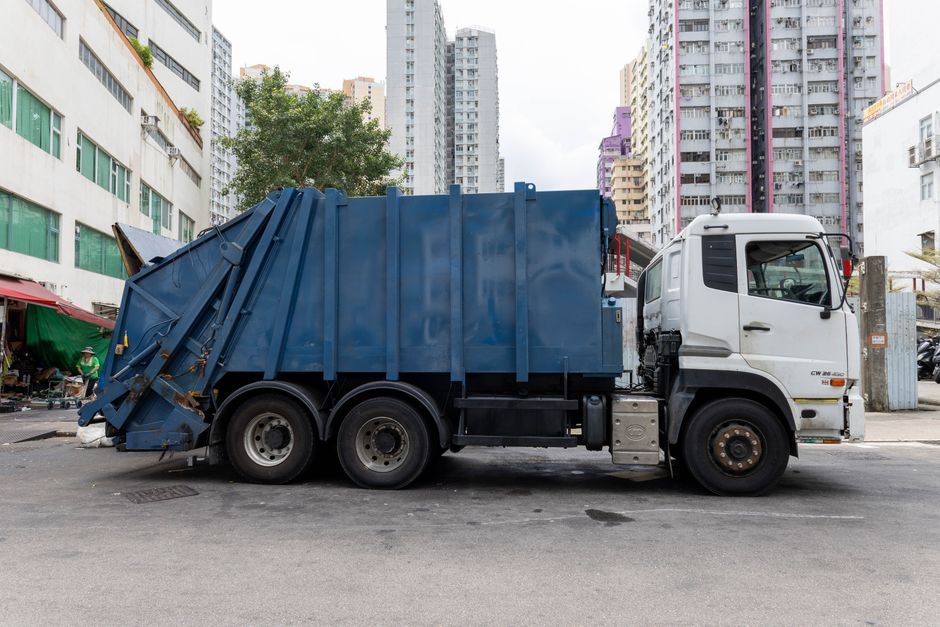
If you are hiring a waste team in NW5, the paperwork matters just as much as the van, the...

If you are trying to compare rubbish removal quotes Kentish Town cheapest options, the tricky...

If you are staring at an old sofa, a broken wardrobe, or a pile of awkwardly heavy bits on...
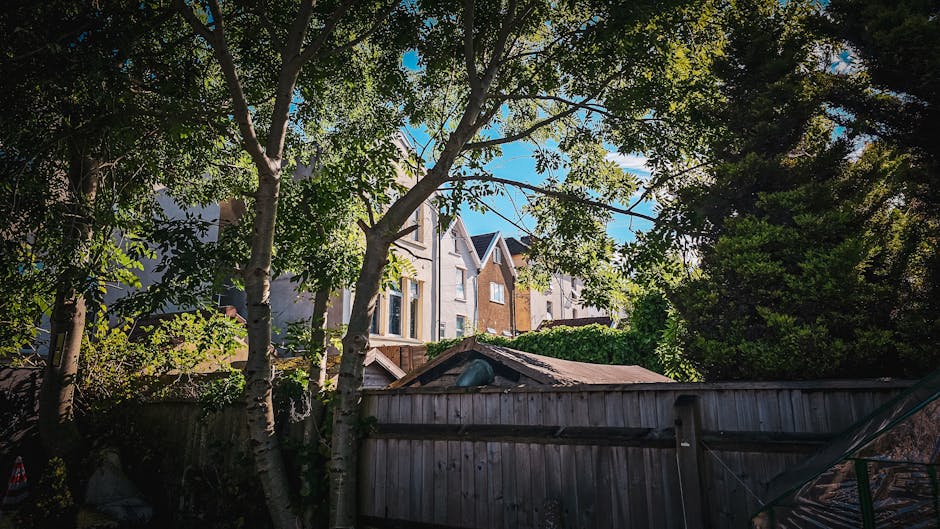
If your garden is filling up faster than you can keep on top of it, you are not alone.

Late-night rubbish collection sounds simple on paper: the street is quieter, the day's mess is...
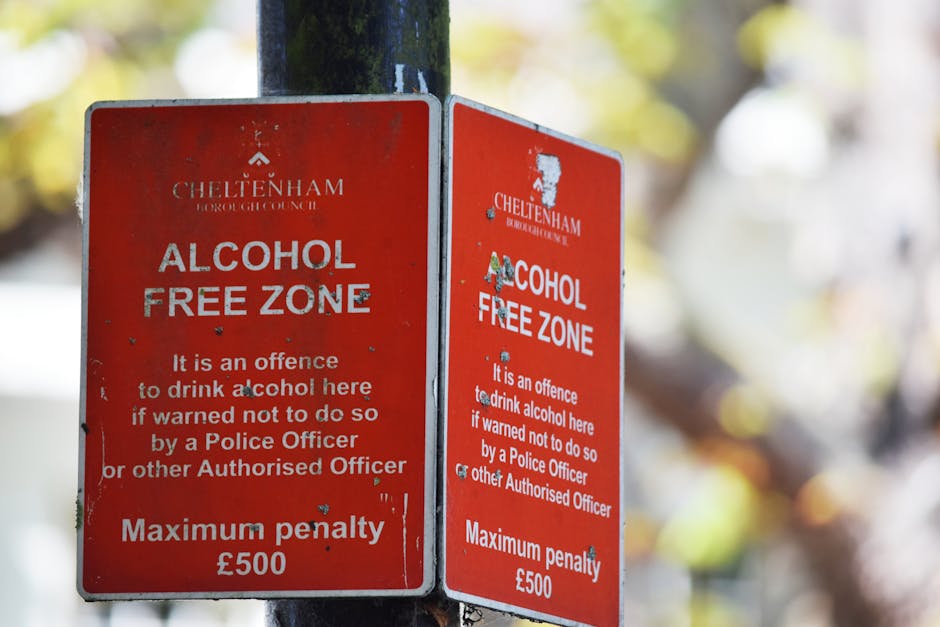
If you live in Kentish Town, rubbish rules can feel oddly complicated for something so ordinary.
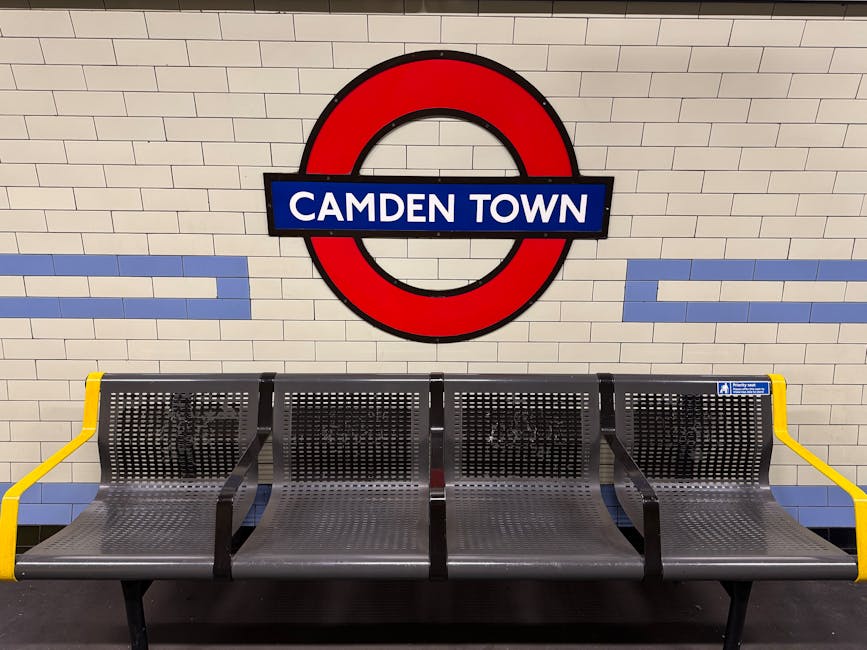
If you need Same day rubbish collection Kentish Town station area, you are usually dealing with a...

If you need Kentish Town rubbish removal NW5 cheap same day quotes, you probably want the same...
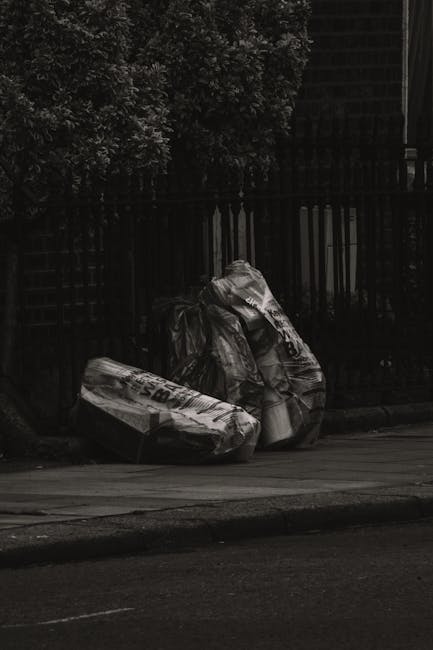
If you've ever stared at a rubbish removal quote and thought, "Hang on, where did that extra...
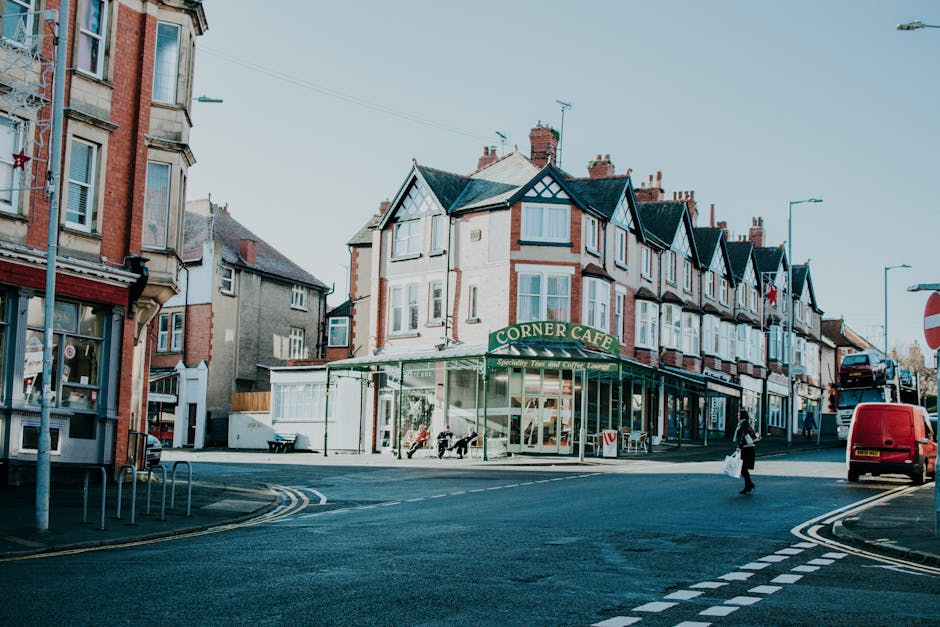
If you run a shop on or near Kentish Town Road, rubbish has a habit of appearing at exactly the...

If you have ever watched a venue shift from buzzing, glittery party mode to a half-empty room...

 (80)
(80)