License and insurance for Kentish Town waste disposal companies
Posted on 17/08/2026
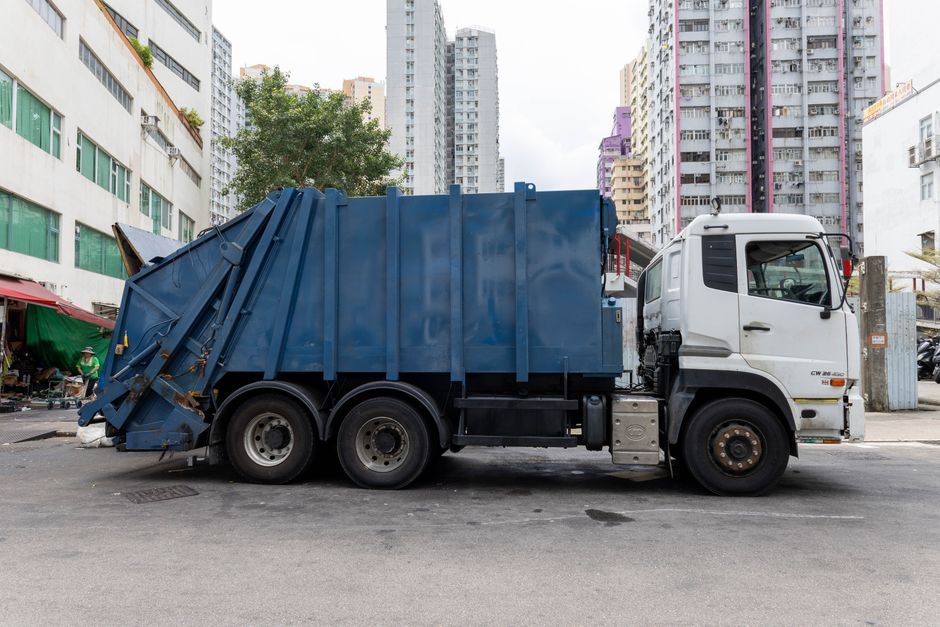
License and insurance for Kentish Town waste disposal companies: what you need to know before booking
If you are hiring a waste team in NW5, the paperwork matters just as much as the van, the uniforms, or the promise of a quick turnaround. License and insurance for Kentish Town waste disposal companies are not boring admin extras; they are the difference between a job that feels tidy and one that leaves you carrying the risk.
Let's face it, rubbish removal often happens at the moment you are already busy. Maybe you are clearing a flat, finishing a shop refit, or finally dealing with the old sofa that has been squatting in the hallway for three months. In that rush, it is easy to focus on price and forget the basics. This guide walks you through what licensing and insurance really mean, why they matter, and how to check them without turning the whole thing into a detective story.
We will also cover common mistakes, practical checks, comparison points, and a straightforward checklist you can use before you book. If you want a broader view of how a provider presents its service standards, it can also help to read the site's services overview alongside its guidance on waste carrier licence and compliance and insurance and safety.
- Why licence and insurance matter
- How licensing and insurance work in practice
- Key benefits for customers
- Who needs to check these details
- Step-by-step guidance
- Expert tips for better decisions
- Common mistakes to avoid
- Tools, resources and recommendations
- Law, compliance and best practice
- Options and comparison table
- Case study or real-world example
- Practical checklist
- Conclusion
- Frequently asked questions
Why License and insurance for Kentish Town waste disposal companies Matters
When a company removes waste from your home, business, or renovation site, it is taking custody of items that must be handled properly. That sounds obvious, but it is exactly where problems begin. A company may look professional on the surface and still be missing the correct waste carrier permission, or it may be uninsured for damage, injury, or transit issues. Either way, you can end up paying for somebody else's shortcuts.
In Kentish Town, that risk can feel more personal because the area mixes narrow residential streets, busy high street loading spots, flats with awkward access, and commercial premises that need fast turnaround. A small mistake, like a dropped appliance in a stairwell or an unlicensed fly-tipping incident, can become a big headache. Nobody wants that. Not on a wet Thursday morning, and not on any other day either.
Proper licensing shows the operator is authorised to transport waste. Appropriate insurance shows they are prepared for real-world mishaps. Together, they tell you the business is taking its responsibilities seriously. That does not guarantee perfection, of course, but it does tell you the company understands the job is more than hauling things away.
Practical takeaway: if a waste company cannot clearly explain its licence and insurance, treat that as a warning sign, not a small detail.
How License and insurance for Kentish Town waste disposal companies Works
To keep things simple, think of this in two layers: permission and protection.
1) Licensing is about legal permission
A waste carrier licence is the basic authorisation a waste collection business needs to transport controlled waste. In plain English, it means the company is registered to move your rubbish from A to B. This is especially relevant for anything that leaves your property and enters another disposal route, whether that is a transfer station, recycling process, or final disposal facility.
Good companies are usually ready to talk about compliance without making a song and dance about it. They should be able to explain how they manage waste handovers, keep records, and deal with materials responsibly. If they dodge that conversation, well, that tells you something too.
2) Insurance is about financial protection
Insurance generally exists to reduce the fallout if something goes wrong. A sensible waste business will usually carry cover relevant to its work, such as public liability insurance and, where applicable, employers' liability insurance. The exact cover needed depends on the company's setup, but the key point for customers is simple: if a worker damages a wall, scratches a floor, or an accident happens during loading, there should be a route for handling it.
For households, this protects your home. For businesses, it protects your premises, stock, staff, and continuity. For landlords or managing agents, it can reduce awkward disputes after a clearance. For builders, it helps avoid delays when a site needs tidying fast. The paperwork does the quiet work in the background, so the actual job can go smoothly in the foreground.
3) The best companies make proof easy to see
A reputable provider should not act defensive when asked for licence details or insurance confirmation. In fact, the better firms expect the question. That is why many customers also compare transparency in other areas, like pricing and quotes, payment and security, and practical policies such as terms and conditions and privacy policy. It is all part of the same trust picture.
Key Benefits and Practical Advantages
Checking licence and insurance is not just about avoiding legal trouble. It has real, day-to-day benefits that affect your budget, your stress level, and the outcome of the job.
- Reduced risk: you are less likely to be left dealing with damage, disputes, or a rogue operator.
- Better accountability: insured and licensed firms have more to lose if they behave badly.
- Cleaner compliance: licensed operators are more likely to manage disposal correctly.
- Smoother jobs: paperwork tends to go hand in hand with better organisation on the ground.
- Stronger peace of mind: you can focus on the clearance itself instead of the what-ifs.
There is also a subtle but important benefit: professional firms are more likely to be consistent. If they are careful about licensing and insurance, they often care about things like punctuality, tidy loading, and leaving access routes clean. It is not a guarantee, but in our experience those habits often travel together.
For commercial customers, the benefit is even more practical. A shop or office does not want a waste contractor causing a problem during opening hours. That is why a lot of business owners also review commercial waste removal in Kentish Town when comparing service fit, especially if they need regular collection rather than one-off clearance.
Who This Is For and When It Makes Sense
To be fair, almost anyone booking a waste removal job should care about this. But some people need to be extra careful because the downside of a bad choice is bigger.
Homeowners and tenants
If you are clearing a flat, removing old furniture, or getting rid of mixed household waste, you want to know the contractor is legitimate. A quick job can turn into a messy one if the crew damages stairs, hallways, doors, or communal areas. Tenants in particular should be alert: if something goes wrong, you may have less room to absorb the cost.
Landlords, agents and sellers
Property work often runs on deadlines. A clearance before marketing, viewings, or handover needs to be reliable and tidy. If you are already juggling a move, the last thing you need is an uninsured contractor creating extra delay. For related local planning around property moves, some readers also find the article on selling your house in Kentish Town useful because decluttering and disposal often happen at the same time.
Builders and trades
Builders' waste can be heavier, sharper, and more awkward than standard household rubbish. That means more handling risk. A clear understanding of cover and licence status matters before a skip-style load is removed or a site tidy-up is booked. The relevant service page for this kind of work is builders' waste disposal in Kentish Town.
Business owners
Shops, cafes, offices, and small studios often need flexible collection times. Insurance matters here because public access, staff, stock, and equipment can all be affected. If you are in a busy stretch of NW5, even a minor issue can snowball into a lost morning. That is why some owners check local guidance about shop rubbish collection for businesses before choosing a provider.
Step-by-Step Guidance
If you only take one practical part from this article, make it this section. Here is the simple process we recommend.
- Ask for licence details up front. A genuine operator should not hesitate.
- Check what type of waste they handle. Not every crew is set up for every material.
- Request insurance confirmation. You do not need a ten-page lecture; just clear proof.
- Match cover to the job. A small furniture pickup is different from a full office clearance.
- Read the scope carefully. Understand what is included, what counts as extra, and who does the lifting.
- Ask about disposal route and paperwork. Responsible firms should be able to explain their process plainly.
- Get the quote in writing. This helps avoid those awkward "that wasn't included" conversations later.
- Confirm access details. Narrow stairs, lifts, parking, and loading time all affect the job.
A small real-world example: say you are clearing a two-bed flat near Kentish Town station and the crew has to carry a heavy wardrobe down tight stairs. If they have no public liability insurance and damage the wall, you could be stuck arguing over repairs. If they are properly covered, the situation has a formal route. Not pleasant, but manageable. There is a world of difference there.
If you want more context on how a company explains its operational standards, the page on about us can be useful, as can its broader waste clearance in Kentish Town information when you are comparing service style as well as compliance.
Expert Tips for Better Results
Here are the checks that tend to separate a decent booking from a good one.
- Do not stop at the word "insured". Ask what the insurance actually covers in practical terms.
- Look for consistency. A company that is careful with licensing usually tends to be careful with quoting too.
- Check the communication style. Clear answers now usually mean clearer service on the day.
- Match the service to the waste type. Furniture, appliances, garden waste, and office items all behave differently on collection day.
- Consider timing and access. A well-covered company will still need the job set up properly.
- Keep your own records. Save the quote, confirmation, and any licence or insurance details you were given.
One thing people often miss: a company can be legitimate and still be a poor fit for your specific job. For example, a provider may be great for domestic clearances but not ideal for a mixed commercial load. Or the reverse. That is why the best decisions come from combining compliance checks with service-fit checks.
If the job is bulky or awkward, the relevant service page can help you narrow things down. For instance, furniture removal, office clearance, and house clearance each raise slightly different insurance and handling questions.
Common Mistakes to Avoid
Most bad experiences with waste disposal companies are not mysterious. They usually come down to one of a few avoidable mistakes.
- Choosing the cheapest quote without checking paperwork. A low price can look clever right up until something goes wrong.
- Assuming every contractor is licensed. Not true. Never assume.
- Ignoring the difference between public liability and waste carrier registration. They are not the same thing.
- Not asking about restricted waste. White goods, electrical items, and certain bulky materials may need specific handling.
- Forgetting to check access issues. Parking and carry distance can change the job more than you think.
- Leaving everything until the last minute. Rushed decisions lead to weaker checks.
There is also a softer mistake: people sometimes feel awkward asking for proof. Don't. That is your right as a customer. A professional outfit will understand. If anything, they should appreciate it.
For pricing pressure and comparison shopping, it can help to read how to compare rubbish removal quotes in Kentish Town and what to know about hidden rubbish removal fees before you commit.
Tools, Resources and Recommendations
You do not need specialised software or industry contacts to make a smart choice. A simple, organised approach is enough.
What to keep in front of you
- A written quote
- The company's licence details
- Insurance confirmation or summary
- Job notes on waste type, access, and timing
- Any photos you took of the items or access route
What to ask on the phone or by message
- Are you licensed to carry waste?
- What insurance do you carry for this type of job?
- Is loading, removal, and disposal included in the quote?
- Do you handle my type of waste?
- What happens if the job changes on arrival?
For customers who want a broader look at service fit, the site's recycling and sustainability page is also worth reading. It gives a useful sense of how a company thinks about the waste stream, not just the pickup.
And if you are weighing different service types, pages such as domestic waste collection, rubbish collection, and waste disposal can help you decide what level of support you actually need. Small thing, but it saves time.
Law, Compliance, Standards, or Best Practice
This topic touches regulated activity, so careful wording matters. In the UK, waste carriers need the correct registration to transport controlled waste, and the company must operate in line with relevant waste-handling duties. Customers are not expected to know every technical detail, but they should hire with enough care to avoid passing waste to an unsuitable operator.
From a practical best-practice perspective, that means checking three things:
- Authority to carry waste: the company should be able to show it is registered or otherwise properly authorised.
- Ability to manage risk: the business should carry sensible insurance for its operations.
- Traceable handling: the waste should be moved and processed through a lawful route.
Customers do not need to become compliance experts. But they should avoid hand-waving. If a company speaks clearly about how it handles waste, protects property, and keeps records, that is a strong signal. If it is vague, defensive, or weirdly impatient, that is not a great sign. Simple as that.
It is also worth remembering that good practice goes beyond the legal minimum. For example, responsible firms usually care about safe lifting, vehicle loading, segregation of recyclables, and respectful behaviour around shared entrances or busy pavements. In a place like Kentish Town, where people are coming and going all day, those little habits matter more than most people realise.
Options, Methods, or Comparison Table
Not every waste job needs the same level of scrutiny, but some scenarios deserve more attention than others. Here is a simple comparison to help you decide how much checking is sensible.
| Job type | What to verify first | Why it matters | Typical risk if skipped |
|---|---|---|---|
| Single bulky item | Waste carrier status and basic insurance | Even a small pickup still leaves you responsible for who takes the item | Unlicensed disposal or damage during removal |
| House clearance | Licence, public liability, handling process | More items, more movement, more chance of snagging walls or stair rails | Property damage or disputes over what was included |
| Office clearance | Licence, insurance, scheduling, data-sensitive handling | Business equipment and access routes create extra complexity | Disruption, damage, poor coordination |
| Builders' waste | Licence, suitable cover, load handling experience | Heavier, sharper, and more awkward materials increase risk | Accidents, spillage, and site delays |
| Regular commercial collections | Ongoing compliance, insurance, service clarity | Repeated visits mean repeated exposure to risk | Operational disruption and repeat costs |
This is not about overcomplicating a straightforward booking. It is about matching your level of caution to the scale of the job. A one-chair pickup is not the same as clearing a full office after a lease end, obviously.

Case Study or Real-World Example
A small Kentish Town cafe needed an evening clearance after replacing storage units, breaking down packaging, and shifting a few damaged fixtures. The owner wanted it done late so the frontage would be clear for the next morning. Fair enough. The first quote looked attractive because it was lower than the others, but the operator was vague about insurance and could not explain how disposal would be handled.
The cafe owner paused, asked for proof, and then compared that with a slightly higher-priced provider who clearly explained licence details, insurance, loading method, and what would happen if the job ran over. The second team was not flashy. No dramatic pitch, no grand speech. Just clear answers.
On the night of the job, the crew arrived with a proper plan for access, protected the narrow entrance floor, and kept the sound level manageable while nearby shops were still open. The clearance took place without fuss. No wall scuffs, no strange invoice surprises, no mystery items left behind. That is the sort of boring success you actually want.
The lesson here is simple: the cheaper option may be fine, but only if it is also properly licensed and insured. If not, the savings are just theoretical. Sometimes they disappear fast.
Practical Checklist
Before you book any Kentish Town waste disposal company, run through this checklist. You can copy it into your notes, old school style if needed.
- Does the company clearly state it is licensed to carry waste?
- Have you seen confirmation of insurance relevant to the job?
- Is the quote written, specific, and easy to understand?
- Do you know exactly what items are included?
- Have you asked about stairs, parking, access, and labour?
- Do you know how the waste will be handled after collection?
- Have you checked whether any items need special care, such as appliances or heavy furniture?
- Do the company's policies on payment, privacy, and terms feel straightforward?
- Are you comfortable with the way they answer questions?
- Does the service fit your actual job, not just your budget?
If you tick those boxes, you are in a much better place than the average rushed booking. Not perfect, maybe, but properly informed. And that already puts you ahead.
Get a free quote today and see how much you can save.
Conclusion
Choosing a waste disposal company in Kentish Town should not feel like gambling. When you check licence and insurance properly, you are choosing a cleaner handover, a lower-risk job, and a provider that is more likely to behave like a professional from the first phone call to the final sweep-up.
The main idea is straightforward: ask questions early, expect clear answers, and do not let a tempting low price push compliance into the background. A legitimate business will not mind. In fact, the good ones usually welcome it.
If you are weighing up a house clearance, a business collection, or a one-off bulky item removal, take a minute, breathe, and check the basics. That small bit of care saves a lot of bother later. And honestly, that is often the difference between a smooth day and a frustrating one.
When the paperwork is in order, the rest of the job tends to feel a lot lighter.


 Tipper Van - Waste Disposal and Rubbish Removal Prices in Kentish Town, NW5
 Luton Van - Waste Disposal and Rubbish Removal Prices in Kentish Town, NW5