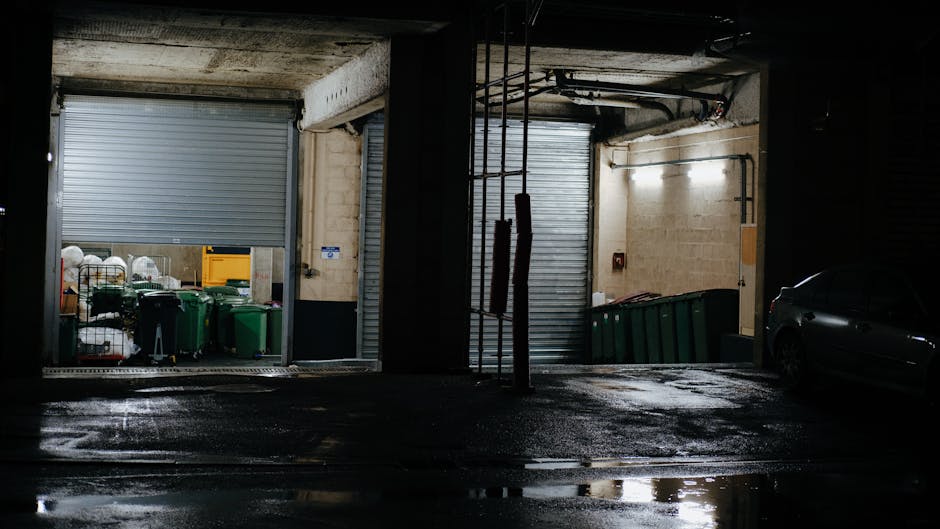
Late night waste pick up in Kentish Town common problems
Posted on 18/06/2026

Late-night rubbish collection sounds simple on paper: the street is quieter, the day's mess is gone before morning, and nobody has to spend half the afternoon waiting by the kerb. In reality, late night waste pick up in Kentish Town common problems can be a bit more complicated. Access can be awkward, noise matters, neighbours are asleep, and the wrong plan can turn a tidy collection into a frustrating one.
If you are a homeowner, landlord, shop owner, venue manager or office organiser in NW5, this guide walks through the common issues, how the process works, what good practice looks like, and how to avoid the usual headaches. We'll keep it practical. No fluff. Just the bits that actually help when the clock is ticking and the bins are already full.
Why Late night waste pick up in Kentish Town common problems Matters
Kentish Town has a mix of late-opening businesses, busy residential streets, managed flats, and shared access points that can make an evening collection more efficient than a daytime one. That's the upside. The downside is that after-hours work tends to expose every small issue at once. A narrow driveway, a locked side gate, awkward parking, or a missing building contact can slow everything down. And at night, you feel those delays much more sharply.
For households, late collections are often about convenience. You've finished a clear-out after work, the old sofa is by the door, and you want it gone before the next morning. For businesses, the pressure is different: a cafe spill, post-event rubbish, cardboard from stock deliveries, or end-of-day waste that simply cannot sit outside till breakfast. Let's face it, nobody wants a pavement full of bags outside a shop on a busy Kentish Town road at 7 a.m.
The common problems matter because they affect more than speed. They affect neighbour relations, compliance, safety, and cost. A smooth late-night pickup usually depends on planning, not luck. That is the bit people underestimate.
Expert summary: the best late-night collections are rarely the fastest ones on paper; they are the ones where access, timing, waste type, and communication have been checked properly before anyone arrives.
If you are trying to make sense of broader local expectations around day-to-day rubbish handling, it can also help to read the site's guide to Camden Council rubbish rules for Kentish Town residents. It gives useful context for what residents should and should not leave out.
How Late night waste pick up in Kentish Town common problems Works
Most late-night waste pick-ups follow a simple pattern. A customer requests a collection, the waste type and volume are confirmed, a time window is agreed, and the team arrives with the right vehicle and crew. The collection is then loaded, segregated if needed, and taken for disposal or recycling.
The process sounds straightforward, but the evening shift changes the rules a bit. Streets are busier with parked cars in some places and quieter in others. Building entrances may be closed. Lighting may be poor. Residents may be far less forgiving about noise than they would be at lunchtime. Even the small things matter more: can the van stop close enough, can sacks be carried without dragging, and is there enough room to turn?
In practical terms, the biggest late-night issues usually fall into a few buckets:
- Access problems: gates, codes, keys, loading bays, or basement routes that are not ready when the crew arrives.
- Timing slips: collections delayed by traffic, deliveries, event overrun, or another job running long.
- Noise sensitivity: bags, bottles, metal, furniture, and bin lids can all sound louder after dark.
- Sorting confusion: mixed loads can need extra handling, which slows the job and may affect the price.
- Parking pressure: short stops are still complicated if the vehicle cannot get close.
A lot of these issues are avoidable if you think like an organiser rather than a last-minute clear-up hero. Not glamorous, sure. But effective.
For a wider look at the types of work often handled in the area, the main services overview is useful for understanding how collection, clearance and disposal work together in practice.
Key Benefits and Practical Advantages
Despite the complications, late-night waste collection has real advantages. The biggest one is disruption. If a team can clear rubbish after service hours, after a house move, or after an evening event, the daytime routine stays intact.
Here are the benefits people usually notice first:
- Less disruption for residents or customers. Quiet streets at night mean fewer people underfoot, fewer interruptions, and less awkwardness during busy trading hours.
- Faster reset for the next morning. Shops, offices, and venues can reopen to a clean frontage and clear interior, which just feels better.
- Better fit for event-based waste. Party waste, forum events, private functions, and hospitality spillover are often easiest to clear once guests have gone.
- Reduced clutter overnight. If waste is removed promptly, there is less temptation for bags to spill, attract pests, or be damaged.
- More flexible scheduling. A late window can be the difference between solving the problem now or leaving it to build up for days.
To be fair, the benefit that matters most will depend on the property type. A restaurant wants a clean doorstep. A flat block wants peace. An office wants the mess gone before the cleaners arrive. Different needs, same basic idea: remove the waste without creating a new nuisance.
If you are comparing options for a household clear-out, you may also find domestic waste collection in Kentish Town and waste clearance in Kentish Town helpful as broader reference points.
Who This Is For and When It Makes Sense
Late-night pickup is not for every situation. Sometimes daytime is better, and sometimes the issue is simply too small to justify special timing. But when it is the right call, it tends to suit people in fairly specific circumstances.
It makes sense for:
- Restaurants, pubs, cafes and small hospitality venues that finish service late
- Shops that need cardboard, packaging, or stock waste removed after closing
- Landlords and letting agents preparing a property for viewings or handover
- Homeowners doing a one-off clear-out after work or after a move
- Event organisers dealing with post-event waste and cleanup
- Offices that want confidential, bulky, or general waste cleared out of hours
A late-night collection is usually worth considering when the waste is already causing a problem: blocked access, odour, safety risk, or visual mess on a frontage that needs to look tidy by morning. If you are only dealing with a couple of bags, it may be overkill. If you are staring at a pile of boxes, broken furniture, and a bin store that is practically groaning, then it starts to make sense very quickly.
People preparing to move can also benefit from seeing how clearance affects presentation and handover. The guide on selling your house in Kentish Town is useful if your waste issue is part of a wider property timeline.
Step-by-Step Guidance
Here is the most reliable way to handle late-night waste pickup without turning it into a headache.
-
Identify the waste clearly.
Separate general rubbish from bulky items, appliances, cardboard, food waste, garden waste, and construction debris. This matters because a mixed pile can slow the job down and create avoidable extra handling.
-
Check access before anything is moved.
Ask yourself: will the crew have a gate code, concierge contact, key, parking space, lift access, or loading bay permission? If the answer is no, sort that first.
-
Choose a realistic time window.
Late night can mean quieter roads, but it also means fewer margin for mistakes. Leave enough room for traffic, access delays, or a building that is harder to reach after dark.
-
Reduce noise where you can.
Tape loose lids, nest smaller boxes, and avoid dragging heavy items. Simple, but it helps. Nobody needs a metallic clatter at 11:30 p.m.
-
Put waste in one clearly accessible place.
Keep it tidy, away from fire exits, and not blocking shared hallways. If it is a flat clearance, make sure the route from the property to the vehicle is as clear as possible.
-
Confirm what happens after collection.
Ask whether the waste will be reused, recycled, or disposed of responsibly. That is standard good practice, not just a nice extra.
-
Review the final details.
Check the agreed scope, any minimum charges, and whether the collection includes labour, loading, or stair carries. Hidden assumptions are where many problems start.
One small but important point: if the job is urgent, do not rush the information-gathering stage. A five-minute conversation about waste type and access can save a very messy late-night surprise.
Expert Tips for Better Results
In our experience, the difference between a smooth collection and a stressful one often comes down to preparation and communication. Nothing exotic. Just solid basics done well.
- Bundle similar items together. Cardboard with cardboard, furniture with furniture, appliances separately. This keeps loading fast and avoids confusion on the kerb.
- Label anything unusual. If an item has sharp edges, glass, or electrical parts, make that obvious. It helps the crew work safely and efficiently.
- Give a precise location. "Back courtyard near the blue door" is far better than "somewhere round the back." Late at night, vague directions become a real problem.
- Plan around neighbours. Shared buildings are touchy about noise after dark, and quite rightly so. Avoid late banging, shouting, or prolonged loading if you can.
- Keep one person available. If the team needs a quick decision and nobody answers, the whole thing stalls. One contact person saves a lot of dithering.
Here's the slightly unglamorous truth: most "waste collection problems" are actually communication problems wearing a bin bag. Once you see that, it gets easier to fix.
If your issue is a heavier clean-up or a larger mixed load, it may help to look at rubbish collection in Kentish Town or more specific support like furniture removal and white goods and appliance disposal.
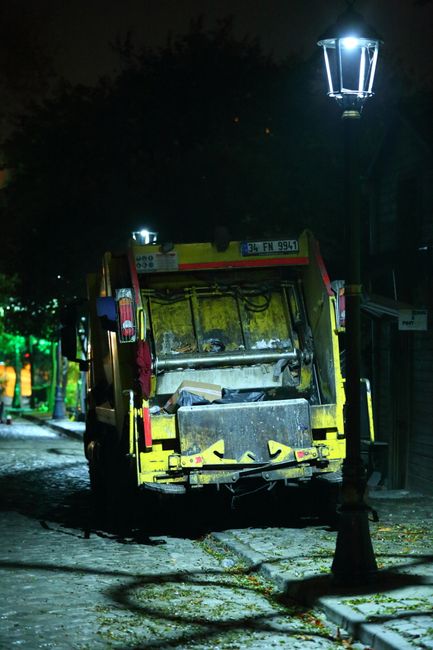
Common Mistakes to Avoid
This is where late-night jobs often go sideways. Not catastrophically. Just annoyingly, which is often worse.
- Leaving access to chance. If a gate is locked or a stairwell is blocked, the collection will slow down or fail.
- Assuming every item is acceptable. Some waste types need special handling, and that needs to be sorted before arrival.
- Ignoring parking and stopping restrictions. A van that cannot get close enough can turn a quick job into a long one.
- Underestimating noise. Late-night collections need a calmer approach than daytime clearances. No one enjoys a 20-minute metal symphony outside their window.
- Not confirming the final price structure. A vague quote is rarely a helpful quote. Ask what is included and what could change it.
- Dumping waste outside too early. In shared areas, that can create security, clutter, and neighbour issues before the team even arrives.
Another common one: people book the collection for late night because they assume the street will be empty, then forget that the building itself may be more restricted after hours. Concierge desks close. Communal doors lock. Courtyards get quieter, but not easier. Slightly annoying, yes. Very normal, though.
For jobs involving quotes and potential pricing surprises, the article on avoiding hidden rubbish removal fees in Kentish Town is especially worth a look.
Tools, Resources and Recommendations
You do not need a fancy toolkit for a late-night waste pickup, but a few practical items make the process much easier.
- Torches or good phone lights: useful for poor lighting in side returns, basements, or rear access points.
- Heavy-duty bags or boxes: especially if waste includes sharp packaging, glass, or small loose items.
- Labels or tape: helpful for separating recycling, electrical items, and mixed rubbish.
- Door codes, keys, and contact numbers: the obvious stuff that somehow goes missing most often.
- Simple floor or route plan: even a rough sketch of access can help a crew avoid wasted time on arrival.
For people comparing service types, the broader pages on waste disposal in Kentish Town, house clearance, and office clearance can help you choose the right scale of service.
If sustainability matters to you, and for many Kentish Town residents it does, then it is worth checking how a provider handles sorting and recovery. The site's recycling and sustainability page is a sensible place to start.
Law, Compliance, Standards, or Best Practice
For waste work in London, compliance is not just paperwork. It is part of the job. A reputable operator should be properly licensed as a waste carrier, handle material responsibly, and be able to explain where your waste is going. If that sounds basic, it is. But basic is exactly where problems often begin.
In practice, good compliance for late-night collections usually means:
- the waste is transferred only by a properly authorised carrier
- loads are handled safely and not left in unsafe positions
- items are sorted where possible to support recycling or recovery
- working methods respect neighbours, access rules, and local conditions
- the collection is documented clearly enough that everyone knows what was agreed
It is also wise to remember that local streets, parking rules, and building access policies can affect how a late-night job is carried out. Even if the waste itself is simple, the logistics may not be. Best practice means planning for both.
If you want a clearer picture of the provider side, including standards and how a reputable team should operate, read the page on waste carrier licence and compliance. For peace of mind on general job handling, insurance and safety is also worth checking.
Options, Methods, or Comparison Table
There are usually a few ways to handle late-night waste in Kentish Town. The best choice depends on volume, urgency, access, and how sensitive the location is to noise.
| Method | Best for | Strengths | Possible drawbacks |
|---|---|---|---|
| Late-night ad hoc collection | Urgent clear-outs, post-event waste, last-minute overflow | Fast, flexible, convenient | Can be more expensive if access is poor or the load is mixed |
| Planned evening clearance | Shops, offices, landlords, repeat schedules | Predictable, easier to organise, fewer surprises | Requires better coordination in advance |
| Next-day daytime collection | Non-urgent household waste | Usually simpler to arrange and less pressure on access | Waste remains on site longer and may cause clutter overnight |
| Self-managed disposal | Very small amounts of waste | Can be economical if you already have time and transport | Time-consuming, physically awkward, and not ideal for bulky items |
In my view, the most common mistake is assuming the cheapest method is the best one. Sometimes it is. But when access is tight or the schedule is already under pressure, the cheaper option can end up costing more in time, stress, or repeat trips.
For commercial users, especially those on busy local routes, commercial waste removal in Kentish Town and the article on road shop rubbish collection for businesses offer helpful context.
Case Study or Real-World Example
A small independent venue near a busy Kentish Town stretch had a familiar problem after a Friday night event. By closing time, the back room was full of drink packaging, broken cardboard, a few mixed bags of general waste, and two awkward chairs that had seen better days. Staff had tried to stack everything neatly, but by 10:45 p.m. the side passage was getting cramped.
The first issue was access. The rear gate code had been changed that week and not passed on properly. The second issue was noise. Glass bottles were clinking every time someone moved a bag. The third issue was timing. Staff assumed the crew would "just know" where to go, which, naturally, they did not.
What fixed it was simple:
- one staff member stayed on site as the single point of contact
- the waste was separated into clearer piles
- the gate code and entrance point were confirmed by message in advance
- the most fragile items were moved first
- the loading route was kept quiet and direct
The collection was completed without a fuss. Not perfect, not magical, just properly organised. And that is the point. Late-night jobs do not need brilliance; they need preparation.
Similar planning helps with events too. If you are dealing with post-function cleanup, the guide to fast party waste clearance for Kentish Town forum events is a relevant read.
Practical Checklist
Use this quick checklist before a late-night waste pickup. It saves time, and sometimes a bit of embarrassment too.
- Waste type confirmed - general, bulky, electrical, garden, builders', or mixed
- Access arranged - key, gate code, concierge, lift, or loading bay
- Parking or stopping point identified - close enough for safe loading
- Noise risk reduced - loose items bagged, lids secured, fragile pieces separated
- Collection window agreed - realistic and suitable for the property
- All items placed safely - not blocking fire exits, walkways, or shared areas
- Contact person available - someone can answer a call if needed
- Price and scope understood - no vague "we'll see on the night" surprises
- Responsible disposal expected - recycling where practical, lawful handling throughout
If the answer to two or more of those is "not yet," pause and sort them. You will be glad you did.
For some properties, a more general service can also be the right fit, especially if the waste has built up in more than one part of the home. In that case, loft clearance and furniture disposal may be more relevant than a simple bag collection.
Conclusion
Late-night waste pick up in Kentish Town can be a brilliant solution, but only if the common problems are handled before they become real problems. Access, noise, timing, waste type, and communication are the main pressure points. Get those right and the whole thing feels easy. Get them wrong and even a small job can become a long evening.
The good news? Most issues are manageable with a bit of planning and a clear conversation. That is especially true in a mixed neighbourhood like Kentish Town, where homes, shops, offices, venues and shared buildings all have slightly different needs. There is no perfect formula, but there is a reliable one: be clear, be prepared, and keep the collection route simple.
And honestly, that's usually enough. Not glamorous. Very effective.
If you are comparing options for an urgent or out-of-hours clearance, take a calm look at the service type that best matches your waste, your access, and your timing.
Get a free quote today and see how much you can save.
Sometimes the best result is just waking up to a clear pavement and one less thing to worry about.